In short: In July 2000 the Dance Heritage Coalition, an alliance of America’s leading dance libraries with its office in the Library of Congress, named 100 “Irreplaceable Dance Treasures”. The list mixed dancers, choreographers, companies, venues and whole dance forms, from Fred Astaire and Martha Graham to the Charleston, the hula and hip-hop. The coalition later joined Dance/USA, and its website and online exhibition are now held in the Library of Congress web archive. This page is an independent guide to the list. It is not run by the coalition.
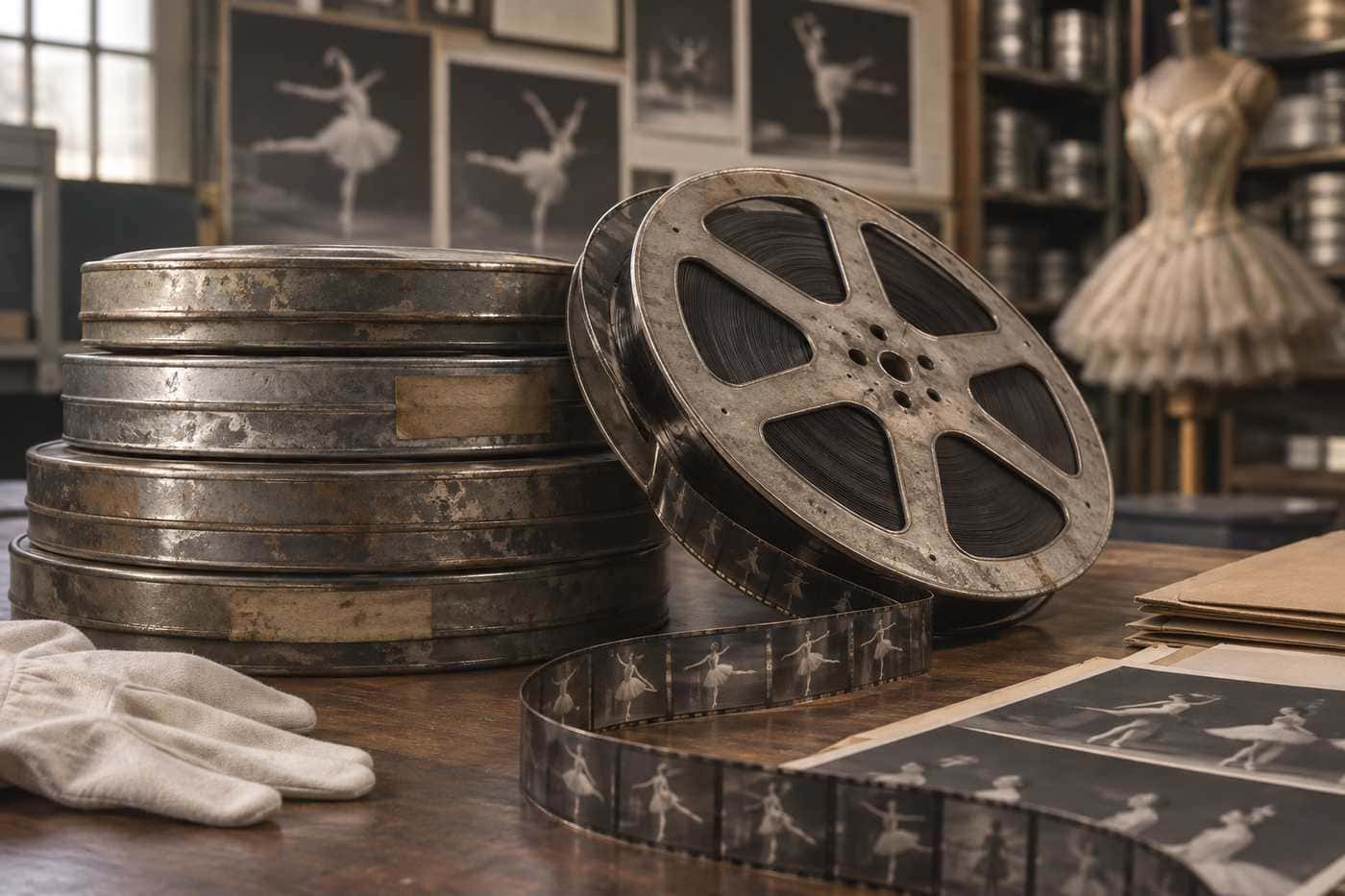
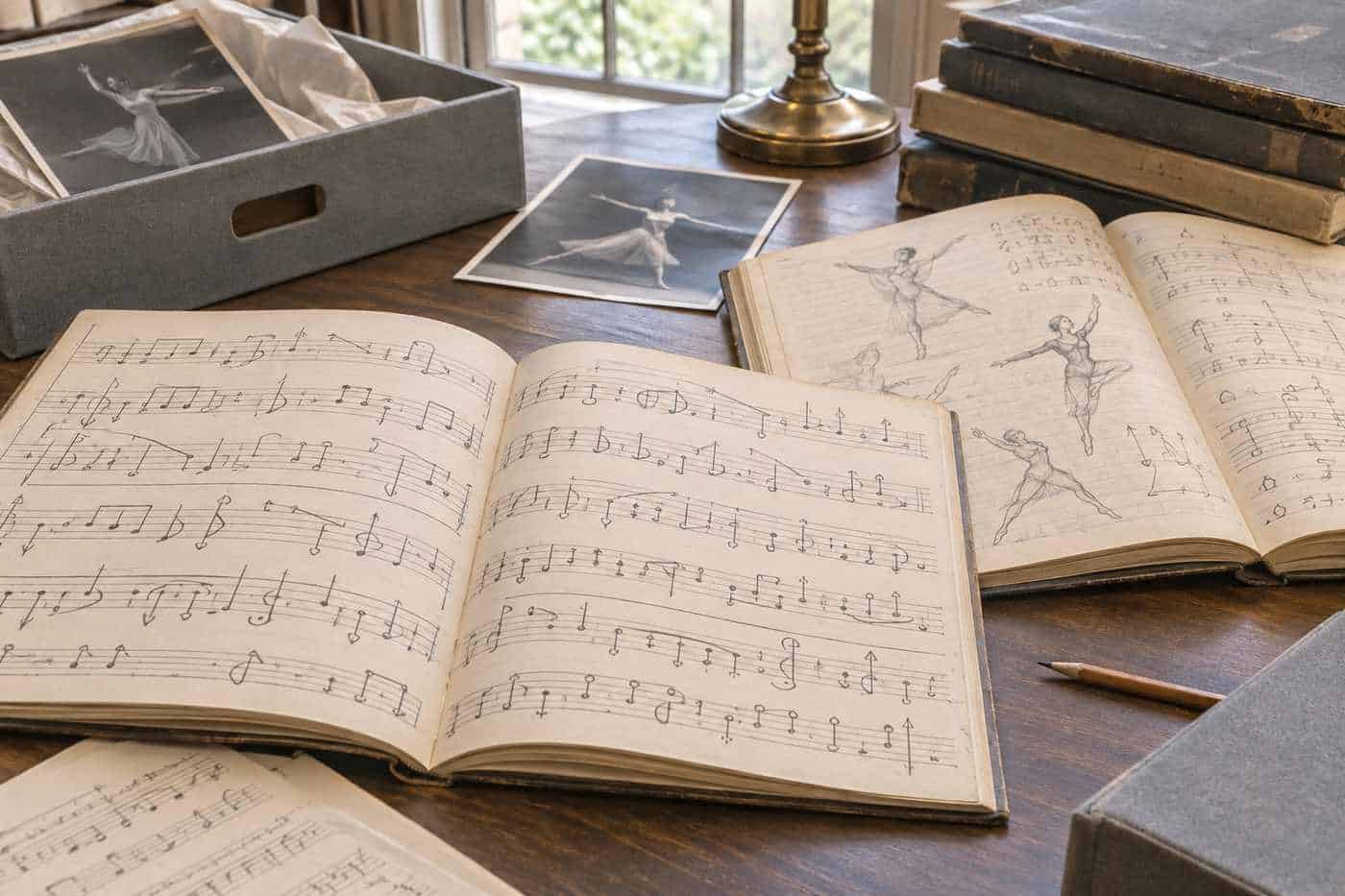
Dance is the most fragile of the performing arts. A play leaves a script and a symphony leaves a score, but a dance often lives only in the bodies of the people who learned it. When those dancers retire or die, the work can go with them. That problem is why a group of American archivists set out, at the end of the 1990s, to name the parts of the country’s dance history that could not be replaced.
The result was America’s Irreplaceable Dance Treasures: The First 100, announced on 27 July 2000. This guide explains who made the list, how it was chosen, what is on it, and where you can read the original essays today. It also links to our longer profiles of several treasures, including Busby Berkeley, Eleanor Powell, Pearl Primus, Jack Cole and Loïe Fuller.
Who made the Irreplaceable Dance Treasures list
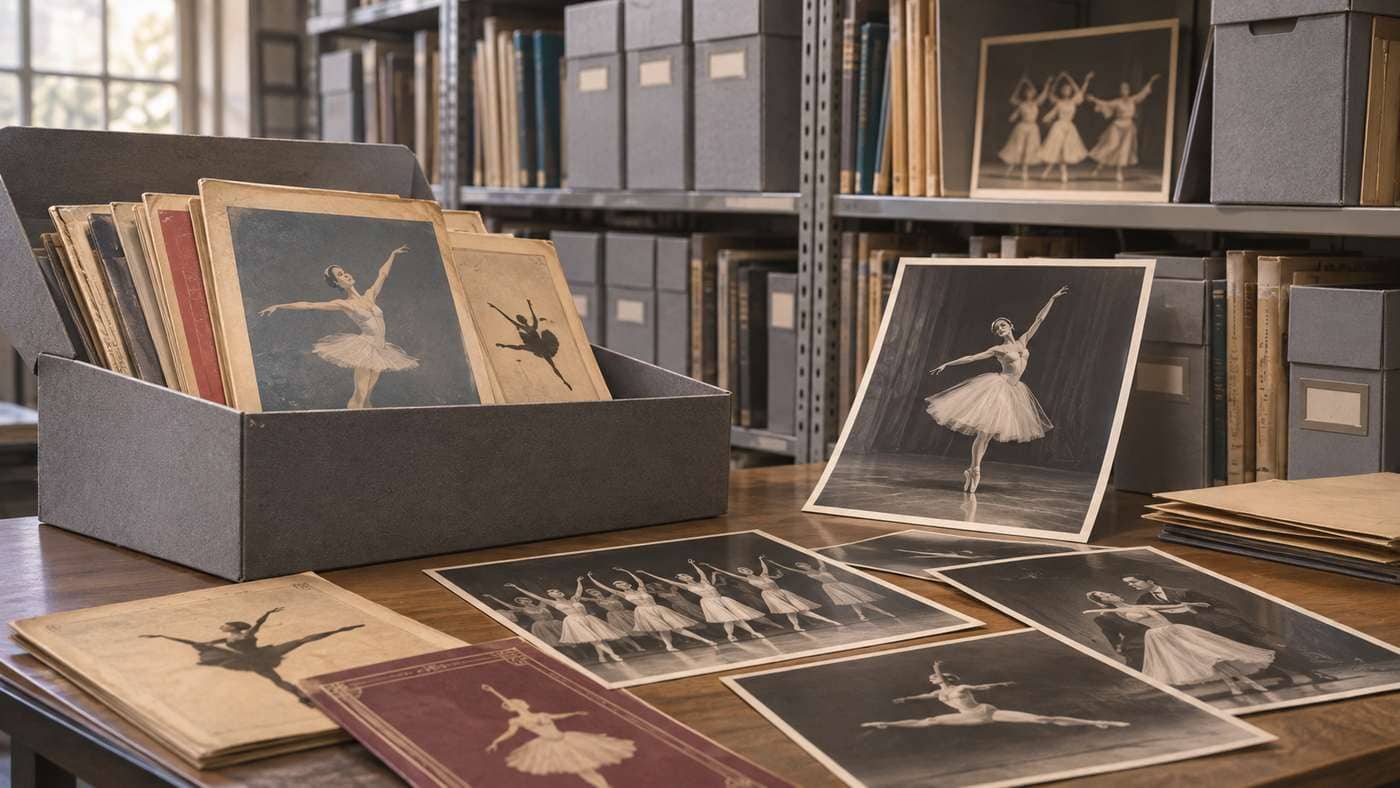
The Dance Heritage Coalition was founded in 1992. Its starting point was a study called Images of American Dance, paid for by the Andrew W. Mellon Foundation and the National Endowment for the Arts, which found that the record of American dance was scattered, poorly catalogued and at risk. The study recommended that the major dance collections work together, and the coalition was the answer.
Its members were the institutions that hold most of the surviving record. A 2005 filing to the US Copyright Office lists them: the American Dance Festival, the Lawrence and Lee Theatre Research Institute at Ohio State University, the Dance Division of the New York Public Library for the Performing Arts, the San Francisco Performing Arts Library and Museum, Jacob’s Pillow Dance Festival, the Library of Congress, the Harvard Theatre Collection and the Dance Notation Bureau. The coalition’s office sat inside the Music Division of the Library of Congress.
The coalition did practical work as well as public projects. In 2000 it won a $90,000 grant to conserve three collections: the Katherine Dunham archives in East St. Louis, the Halla Huhm Dance Collection of Korean American dance in Honolulu, and the Cross-Cultural Dance Resources collections of Native American dance in Flagstaff, Arizona. Later it produced guides on fair use and an “Artist’s Legacy Toolkit” to help choreographers organise their own papers.
How the 100 were chosen
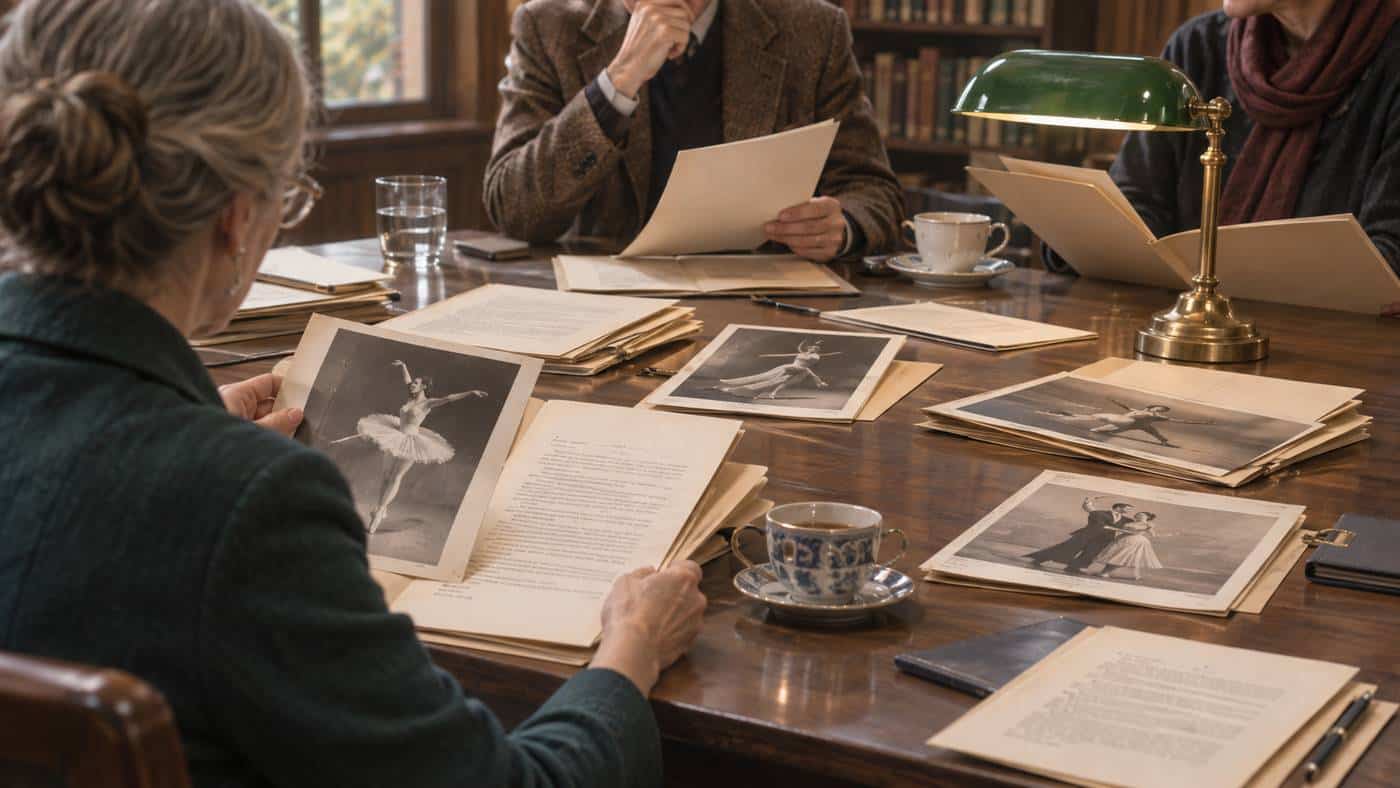
In the autumn of 1999 the coalition asked the public for nominations. According to the Library of Congress announcement, some 900 nominations arrived. They were reviewed in three stages by selection committees of experts from across the country, and the final list went to the coalition’s board in July 2000.
The coalition said a treasure had to show five qualities: a contribution to the field, artistic excellence, cultural significance, an enduring impact, and wide recognition. The stated purpose was not to rank artists. It was to raise public interest in American dance and in the need to document and preserve it. The list was meant to be refreshed every two years.
What is on the list
The most striking thing about the First 100 is its range. It does not stop at ballet and modern dance. It treats a social dance, a television show and a ballroom as part of the same heritage as a ballet company. Here is a sample, grouped by type.
- Dancers and choreographers: Alvin Ailey, Fred Astaire, George Balanchine, Merce Cunningham, Agnes de Mille, Isadora Duncan, Katherine Dunham, Bob Fosse, Martha Graham, Gene Kelly, José Limón, Jerome Robbins, Ruth St. Denis, Ted Shawn, Paul Taylor and Twyla Tharp.
- Tap and screen dance: Busby Berkeley, John W. Bubbles, Honi Coles, Savion Glover, Gregory Hines, the Nicholas Brothers, Eleanor Powell and Bill “Bojangles” Robinson.
- Companies, schools and venues: American Ballet Theatre, Dance Theatre of Harlem, New York City Ballet, San Francisco Ballet, the School of American Ballet, the Bennington School of the Dance, Jacob’s Pillow and the Savoy Ballroom.
- Dance forms and works: the Charleston, the hula, hip-hop, square dance, swing dance, Native American social and ceremonial dances, and The Nutcracker.
- The people behind the stage: the impresario Sol Hurok, the critic Edwin Denby, the lighting designer Jennifer Tipton, the composer Aaron Copland and the patron Lincoln Kirstein.
The list also named institutions that keep the record, such as the New York Public Library’s Dance Collection and the Dance Notation Bureau, and public programmes such as the Federal Dance Project and the National Endowment for the Arts. In other words, the coalition counted the archive itself as part of the heritage.
The booklet and the touring exhibition
The coalition published a 38-page illustrated booklet in 2000, with a short essay and a photograph for each treasure. Its contributors included Elizabeth Aldrich, Lynn Garafola, Norton Owen and Sali Ann Kriegsman. The coalition later reported that it had distributed about 6,000 copies to dance libraries, college dance departments and companies.
The list then became a touring exhibition of about fifty still images and a similar number of video clips shown on an interactive kiosk. Its first venues were the San Francisco Performing Arts Library and Museum, Jacob’s Pillow, the Columbus Cultural Arts Center in Ohio and the New York Public Library for the Performing Arts. Jacob’s Pillow dates the tour from 2003 to 2009.
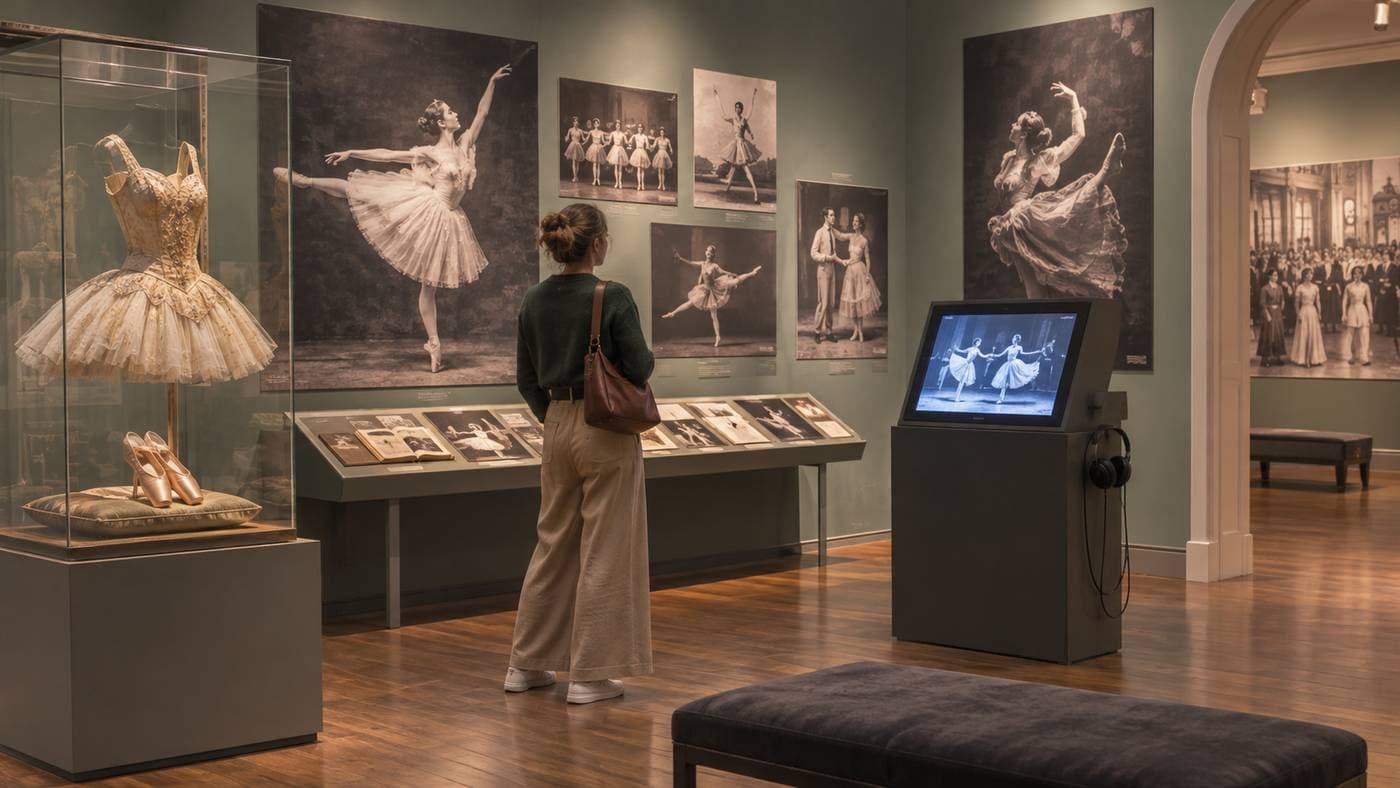
An online version followed, with a longer essay for each treasure. Dance Magazine described it as a collection of photos, videos and essays with twelve additions to the original group. Later honourees included the Radio City Rockettes, named in 2012, as the Library of Congress music blog notes. Library guides speak of 113 individuals and institutions in the expanded set.
Why the list still matters
The list did three useful things. First, it put popular and theatrical dance alongside concert dance. Tap dancers and film choreographers sit next to ballet masters, which reflects how Americans actually experienced dance in the twentieth century. Second, it gave weight to dance traditions that archives had often ignored, including Black, Native American, Hawaiian and immigrant forms. Third, it gave newspapers a hook. For years afterwards, obituaries and profiles of artists such as Donald McKayle and Katherine Dunham mentioned that they had been named “irreplaceable dance treasures”.
The honour also arrived when some of the work was in real danger. A New York Times report in 2001 noted the irony that Martha Graham was recognised shortly after her nearly bankrupt dance centre announced its closure. Naming a treasure did not save it, but it made the case for funding the people who could.
What happened to the Dance Heritage Coalition
The Dance Heritage Coalition later folded its programmes into Dance/USA, the national service organisation for professional dance. Dance/USA’s integration page records that the coalition’s website has been archived by the Library of Congress, and that the online exhibition of America’s Irreplaceable Dance Treasures has also been archived and made available there. That archived copy is the authoritative version of the essays.
This site is not the coalition and does not speak for it or for Dance/USA. We are an independent reference site that uses the old address to keep the topic findable. Where old links pointed to a treasure’s essay, we now send readers to our own profile of that artist or to this page.
How to research a treasure today
- Start with the archived coalition site and exhibition via Dance/USA’s page, which links to the Library of Congress web archive.
- Check the Library of Congress for primary collections. It holds major dance papers, including the Katherine Dunham materials.
- Use the New York Public Library’s Jerome Robbins Dance Division for photographs, programmes and film.
- Look at Jacob’s Pillow Dance Interactive for filmed performances from the festival’s own archive.
- For context on how dance forms grew up, read our overview of dance styles and history.
- Read our full profiles of treasures such as Martha Graham, whose Library of Congress collection holds about 350,000 items, and the tap star Bill “Bojangles” Robinson.
The same problem of preserving dance that lives in bodies rather than on paper is shared worldwide. In 2018 UNESCO inscribed Thailand’s khon masked dance drama on its list of intangible heritage, noting that it is now handed on mainly through schools. Updated 20 November 2026.
Key takeaways
- The First 100 was announced in July 2000 by the Dance Heritage Coalition, whose office was in the Library of Congress.
- About 900 nominations went through three rounds of expert review.
- The list covered people, companies, venues and whole dance forms, from ballet to hip-hop and the hula.
- It became a booklet, a touring exhibition from 2003 to 2009, and an online exhibition with later additions.
- The coalition joined Dance/USA, and its site is preserved in the Library of Congress web archive.
Common questions
What is an “irreplaceable dance treasure”?
It is the name the Dance Heritage Coalition gave to the 100 dancers, choreographers, companies, works and dance forms it judged most important to American dance heritage in 2000.
Who chose the treasures?
Selection committees of dance experts from across the United States reviewed about 900 public nominations in three stages. The coalition’s board approved the final list.
Is the Library of Congress responsible for the list?
The coalition was an independent alliance, but its office was in the Library of Congress, which was a member and helped announce the list. That is why many press reports credit both.
Were more treasures added after 2000?
Yes. The online exhibition added names after the first list, including the Rockettes in 2012, bringing the expanded set to about 113.
Where can I read the original essays?
The archived coalition website and exhibition are held by the Library of Congress web archive. Dance/USA’s coalition page links to them.
Is this website the Dance Heritage Coalition?
No. This is an independent guide. It is not affiliated with the coalition, Dance/USA or the Library of Congress.
How we wrote this: We built this page from the Library of Congress press release of July 2000, the coalition’s 2005 filing to the Copyright Office, Dance/USA’s record of the coalition’s integration, and reporting by Dance Magazine and Jacob’s Pillow. Names are quoted from the published list. Last checked November 2026.
Sources
- Library of Congress: announcement of America’s Irreplaceable Dance Treasures, The First 100 (July 2000)
- Library of Congress Information Bulletin: coalition wins $90,000 preservation grant
- US Copyright Office: Dance Heritage Coalition comment on orphan works
- Dance/USA: Dance Heritage Coalition integration
- Jacob’s Pillow: firsts at Jacob’s Pillow
- Dance Magazine: the online Irreplaceable Dance Treasures exhibition
- The New York Times: preserving a precarious legacy (2001)